Treating hypertension with lifestyle changes

Everyone who is diagnosed with hypertension will benefit from making good lifestyle choices. And if your blood pressure is in the high-normal range, then making these changes in your life now may prevent your hypertension from getting worse, or even bring it back into the normal range.

Optimal blood pressure is when systolic value is below 120 mmHg and the diastolic value is below 80 mmHg. High-normal blood pressure is between 130/85 mmHg and 140/90 mmHg. Hypertension is diagnosed when blood pressure is > 140/90 mmHg.

Normal range Systolic BP (mmHg) Diastolic BP (mmHg)
Optimal < 120 And < 80 mmHg
Normal 120-129 And / Or 80-85
High Normal 130-139 And / Or 85-90
Hypertension range Mild Hypertension 140 – 159 90 – 99
Moderate Hypertension 160 – 179 100 – 109
Severe Hypertension >180 >110

Making the following changes may help keep your hypertension under control, whether you are taking medication or not:

Cutting salt in your diet

You should aim for no more than 5 g (equivalent of a teaspoon) of salt per day. (A 2023 study found that this is still extremely beneficial even if you are taking medication for hypertension)

Eat a balanced diet, including plenty of fruit and veg

This will help you to cut salt and lose weight, if you need to, see NHS calculator.

Find ways to be more active

You don’t need to run marathons, but activities like walking, cycling, dancing and yoga all help to get your body moving and your heart pumping.

Quit smoking

Smoking increases your blood pressure, so try to stop.

Lose weight

Losing weight can help lower blood pressure if you are above your ideal weight for your height. You can find out your ideal weight using this NHS calculator.

Cut down on caffeine

Tea, coffee, cola and ‘energy drinks’ all contain caffeine, some at quite high levels, and reducing your intake can help lower your blood pressure.

Reduce alcohol intake

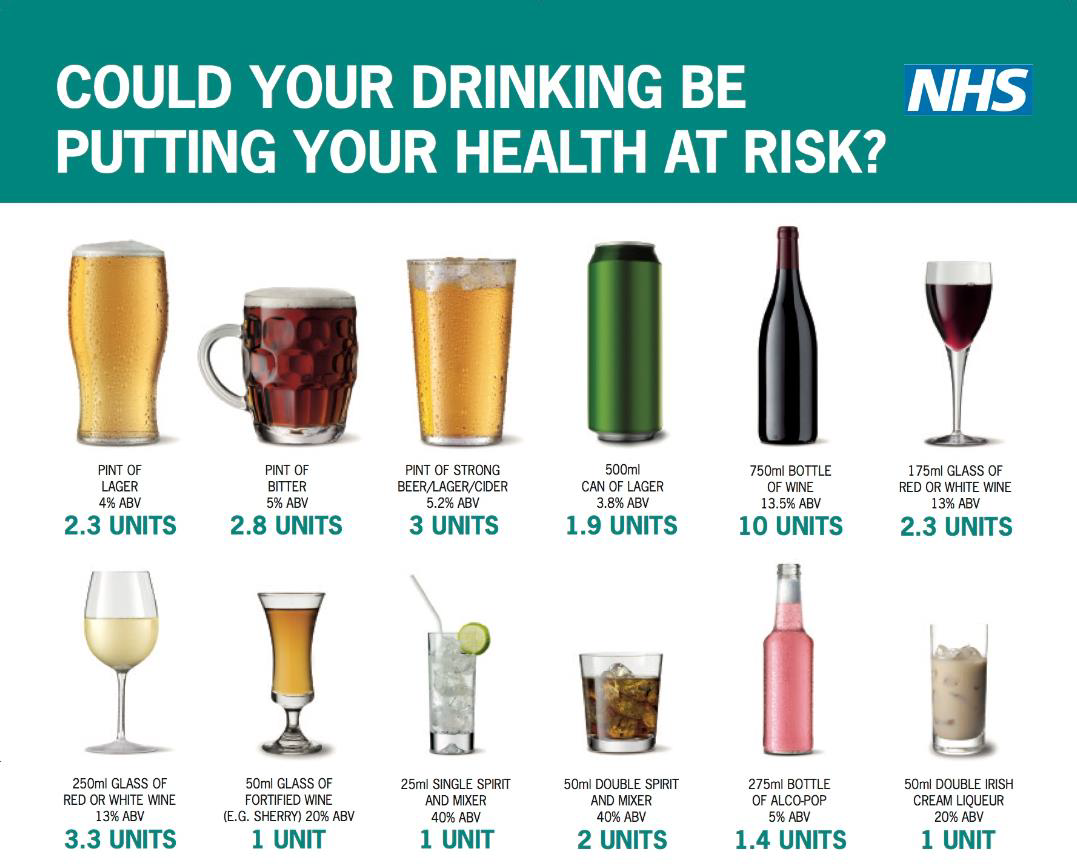
Too much alcohol will also increase your blood pressure. You don’t have to stop drinking altogether, but it may be beneficial to cut down. Current advice is not to regularly drink more than 14 units per week for men and 8 units per week for women.

If your blood pressure is in the high-normal range, then your GP may advise the above lifestyle changes with close monitoring of your condition. Even if you are prescribed medications, or have undergone an RDN procedure, making these changes will help to keep you healthy and your hypertension under control.

Book Your Hypertension Review

If you have been diagnosed with hypertension and have been taking medication, yet your hypertension is still outside normal limits, you may be eligible for the RDN procedure. Get in touch and book a hypertension review to find out.

Treatments for hypertension

As shown above, hypertension is diagnosed when your systolic blood pressure is above 140 mmHg, and your diastolic blood pressure is above 90 mmHg (i.e., 140/90). Any treatment you undergo will aim to bring your blood pressure values below this threshold, and ideally achieve a systolic blood pressure between 120 and 130 mmHg. This is especially important if you have diabetes, history of heart disease, or have suffered a stroke.

There are three main treatments available for bringing your hypertension under control:

Lifestyle Changes You Can Make To Reduce Hypertension

1 | LIFESTYLE CHANGES

1 | LIFESTYLE CHANGES

For mild hypertension with no other risk factors, making lifestyle changes may be enough.

Medication Can Be used To Reduce Hypertension

2 | MEDICATION

2 | MEDICATION

For moderate to severe hypertension, or mild with other risk factors, you may need a combination of medications.

Renal Denervation For Hypertension Using Symplicity Spyral Cathater

3 | RENAL DENERVATION

3 | RENAL DENERVATION

For resistant hypertension or intolerance to medications, you may benefit from a renal denervation procedure.

Renal Denervation – your questions answered

Generally, RDN is suitable for those who have uncontrolled medium to high hypertension and are already on several types of medications, or have experienced side effects from most blood-pressure medications. Your GP or consultant cardiologist will help you decide whether this procedure is right for you.

The aim of renal denervation is not discontinuing the tablets, but to ensure optimal blood pressure control, as this is what drives a reduction in the risk of stroke or heart attack.

There is however a good chance that the dose or number of tablets might be decreased after the procedure. However, the procedure is considered a success even when a patient, who had initially poor blood pressure control on medications, achieves optimal blood pressure values afterwards, even though this requires taking all or some of the initial medications.

An extra benefit, possibly associated with the procedure, is that the effect on blood pressure is always ON when compared to medications that have an effect on blood pressure only when the patient remembers to take his/her tablets.

Some people can go home the same day of the procedure, some may need an overnight stay.

Usually about a week, after which many people return to their normal activities. Your doctor will monitor you and let you know when you are ready.

Generally, you may have two follow-up appointments; one with the consultant who performed your procedure, and one with your GP.

Renal denervation has a well demonstrated safety-profile. However as in any invasive test/procedure, complications can occur. The cardiologist performing the procedure, or your GP, can discuss this in more detail.

Injury to the kidney or narrowing of the renal artery are possible serious complications, though extremely rare with an incidence reported in clinical studies below 0.5%.

The most common side effect associated with renal denervation is bleeding at the entry site (groin) where the puncture is made to insert the catheter to perform the procedure. In clinical studies no major bleeding complications have been described.

The occurrence of bruising/haemathoma at the entry point though is not uncommon. This can sometimes be source of discomfort for a few days/weeks after the intervention, but it usually responds well to painkillers and tends to resolve spontaneously over time.

This is variable according to the vessels’ anatomy, but an average procedure can take around 60 minutes.

The procedure can be painful at the stage when energy is delivered to disconnect the nervous fibres.  For this reason, it is performed under local anaesthesia, analgesia, and deep sedation, meaning that the patient is usually not awake during the procedure, but still able to breathe spontaneously without need of assistance of specific medical equipment. The level of awareness during the procedure can vary from individual to individual, with most patients typically sleeping throughout; though there are rare scenarios when some degree of vigilance remains.

The short answer is no, as the procedure aims at reprogramming the connections between the brain and the kidney and this cannot happen immediately. Roughly, the effect of the procedure becomes manifest between 3 and 6 months, even though there have been cases with quite immediate response after a few days.

Please keep in mind, like for any therapy, there is roughly a 20% chance of absence of response. Unfortunately, we currently cannot predict ahead of time who will be and who won’t be a good responder to this treatment.

According to the available data, the effect on blood pressure seems to be well maintained over time and well reflected by the observation that nerves around renal arteries do not regrow. The most solid data confirmed a maintained lowering blood pressure effect at least up to 3 years, but data supporting maintained effect on blood pressure beyond 3 years are growing.